 nermeenabdelkader95@gmail.com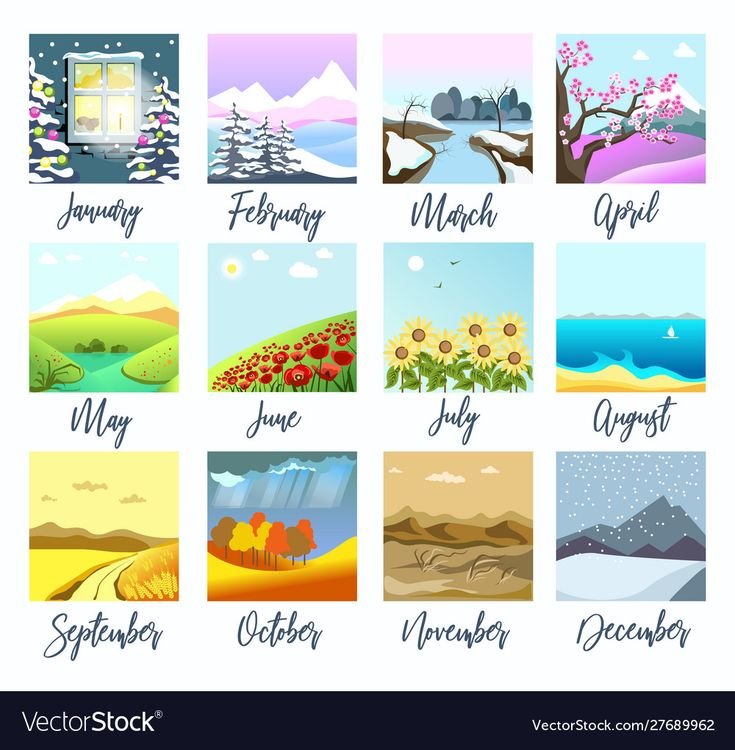
Planning a trip to Europe can be exciting, but understanding the weather throughout the year is essential for making the most of your journey. Europe is not defined by a single climate—instead, it offers a wide range of weather patterns that vary by region and season.
This month-by-month guide gives you a clear picture of what to expect across Europe, helping you choose the best time and destination based on weather conditions.
January: Cold and Quiet
January is one of the coldest months in Europe, especially in Central and Northern regions. Cities like Berlin and Vienna often experience temperatures below freezing, with snowfall being common.
In contrast, Southern Europe—such as Lisbon and Athens—remains milder, with temperatures around 10°C to 15°C (50°F to 59°F).
This is a quiet travel period, ideal for those who prefer fewer crowds.
February: Winter Continues
February remains cold across most of Europe, though days start to become slightly longer. Snow is still common in colder regions, and winter conditions remain strong.
Southern destinations continue to offer a more comfortable alternative, with occasional sunny days.
March: Early Signs of Spring
March marks the transition from winter to spring. Temperatures begin to rise slightly, especially in Western Europe.
However, the weather can still be unpredictable, with a mix of cold days, rain, and occasional sunshine.
April: Spring in Full Bloom
April brings noticeable improvement in weather conditions. Temperatures rise to around 12°C to 18°C (54°F to 64°F) in many cities.
Rain showers are common, but they are usually light. Parks and gardens begin to bloom, making cities like Paris and Amsterdam especially beautiful.
May: Ideal Travel Weather
May is one of the best months to visit Europe. Temperatures are comfortable, typically ranging from 15°C to 25°C (59°F to 77°F).
The weather is stable, and crowds are still manageable compared to summer. This makes May perfect for sightseeing and outdoor activities.
June: بداية الصيف
June marks the beginning of summer in Europe. Temperatures rise, but conditions are still comfortable in most regions.
Long daylight hours allow for extended exploration, especially in Northern Europe.
July: Peak Summer Heat
July is one of the hottest months, particularly in Southern Europe. Cities like Madrid and Rome can experience temperatures above 35°C (95°F).
Northern and Western Europe remain more moderate, making them popular destinations during this time.
August: Hot and Busy
August continues the summer heat and is one of the busiest travel months. Many cities experience high temperatures and large crowds.
Coastal areas are especially popular, while inland cities can feel very hot during the day.
September: Summer Fades
September offers a perfect balance. Temperatures begin to drop slightly, especially in Northern Europe, while Southern Europe remains warm.
Crowds decrease, making it one of the best months for travel.
October: Cool and Scenic
October brings cooler temperatures and beautiful autumn colors. Cities become quieter, and the weather is generally comfortable.
Rainfall increases slightly, but conditions remain pleasant overall.
November: Transition to Winter
November is often gray and rainy, especially in Western Europe. Temperatures drop significantly, and daylight hours shorten.
This is a low tourist season, offering a quieter experience.
December: Festive Winter
December marks the start of winter, with cold temperatures and festive atmospheres. Christmas markets become a highlight in many cities.
Snow is possible in Central and Northern Europe, while Southern Europe remains milder.
How to Use This Guide
Understanding monthly weather patterns helps you:
- Choose the right destination
- Pack appropriately
- Avoid extreme conditions
- Plan activities more effectively
Conclusion
Europe’s weather changes significantly throughout the year, offering a unique experience every month. Whether you prefer sunny summer days, colorful autumn landscapes, or snowy winter scenes, there is always a perfect time to visit.
By aligning your travel plans with seasonal weather patterns, you can create a more enjoyable and stress-free journey.


 ahmedelghanam2019