nermeenabdelkader95@gmail.com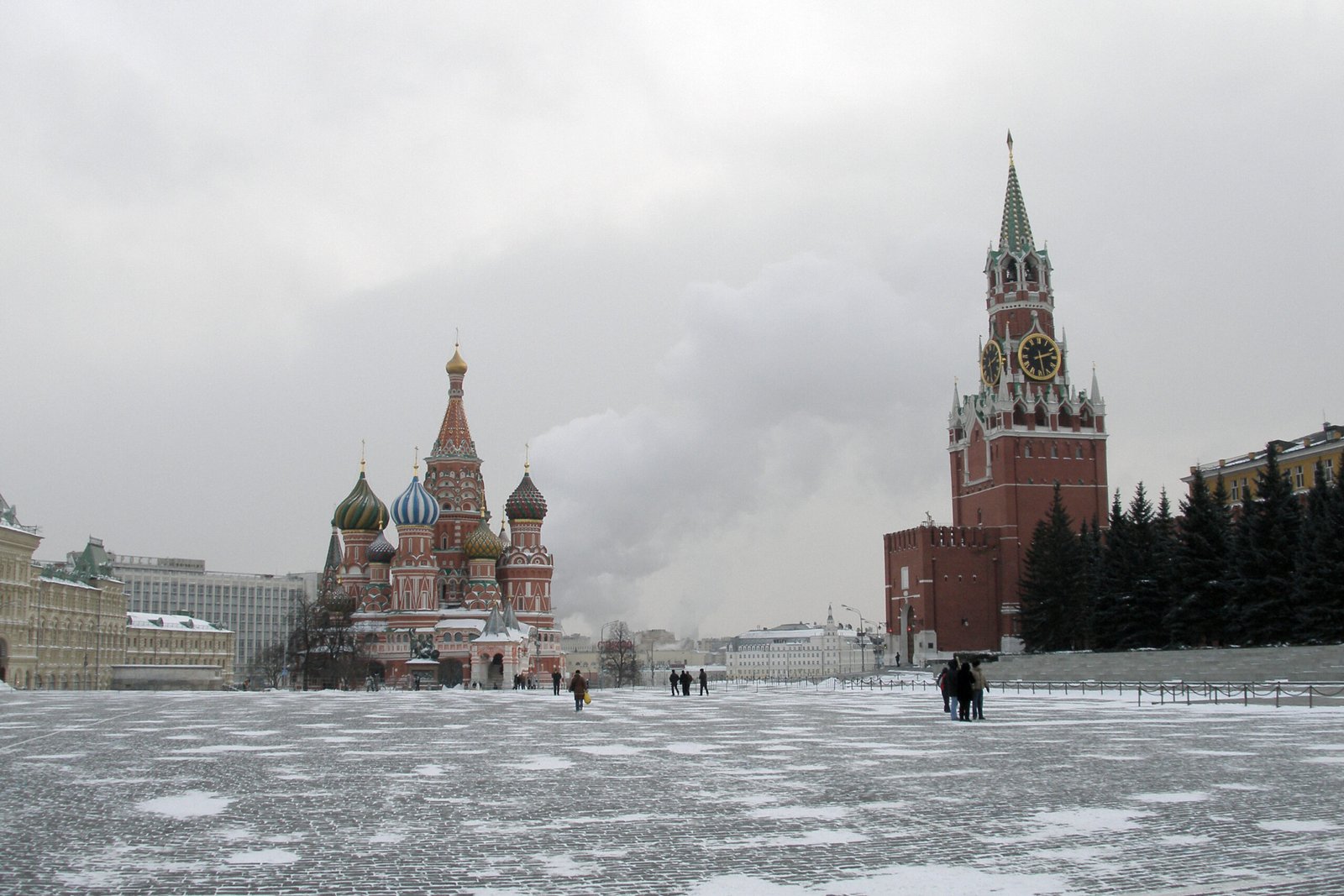
While some travelers look for warmth during the winter months, others are drawn to the magic of cold European cities. Snow-covered streets, frozen rivers, and festive atmospheres create a unique experience that cannot be found in milder climates.
Europe is home to several cities where winter truly makes its presence felt. From icy temperatures to heavy snowfall, these destinations offer a classic winter experience for those who embrace the cold.
What Makes a City Cold in Europe?
Before exploring specific cities, it’s important to understand why some parts of Europe experience colder winters than others.
The coldest cities are typically located in:
- Northern Europe (closer to the Arctic)
- Inland areas (away from ocean influence)
- Regions with continental climates
Without the moderating effect of the ocean, temperatures in these areas can drop significantly, especially during January and February.
1. Helsinki, Finland
Helsinki is one of the coldest capital cities in Europe. Winter temperatures often range between -5°C and -15°C (23°F to 5°F), and can drop even lower during cold waves.
Snow is a defining feature of Helsinki’s winter, covering the city for several months. Despite the cold, the city remains vibrant, with winter activities such as ice skating and sauna culture playing a central role in daily life.
2. Stockholm, Sweden
Stockholm experiences cold winters with temperatures typically between -3°C and -10°C (27°F to 14°F). Snowfall is common, and daylight hours are very short during peak winter.
The city’s waterways can partially freeze, creating a stunning winter landscape. While the cold is noticeable, Stockholm’s infrastructure is well adapted to handle winter conditions.
3. Oslo, Norway
Oslo is known for its cold and snowy winters, with temperatures ranging from -6°C to -12°C (21°F to 10°F). The surrounding mountains and forests enhance the winter experience, making it a popular destination for skiing and outdoor activities.
The city combines urban life with easy access to nature, offering a balanced winter experience.
4. Moscow, Russia
Moscow is one of the coldest major cities in Europe during winter. Temperatures frequently fall between -10°C and -20°C (14°F to -4°F), with occasional drops below -25°C (-13°F).
Snow covers the city for long periods, and the cold can be intense. However, Moscow’s winter scenery—especially around Red Square—is truly iconic.
5. Warsaw, Poland
Warsaw experiences a continental climate, leading to cold winters with temperatures ranging from -5°C to -10°C (23°F to 14°F).
Snowfall is common, and icy conditions can persist for weeks. Despite this, the city remains active, with winter markets and cultural events adding warmth to the atmosphere.
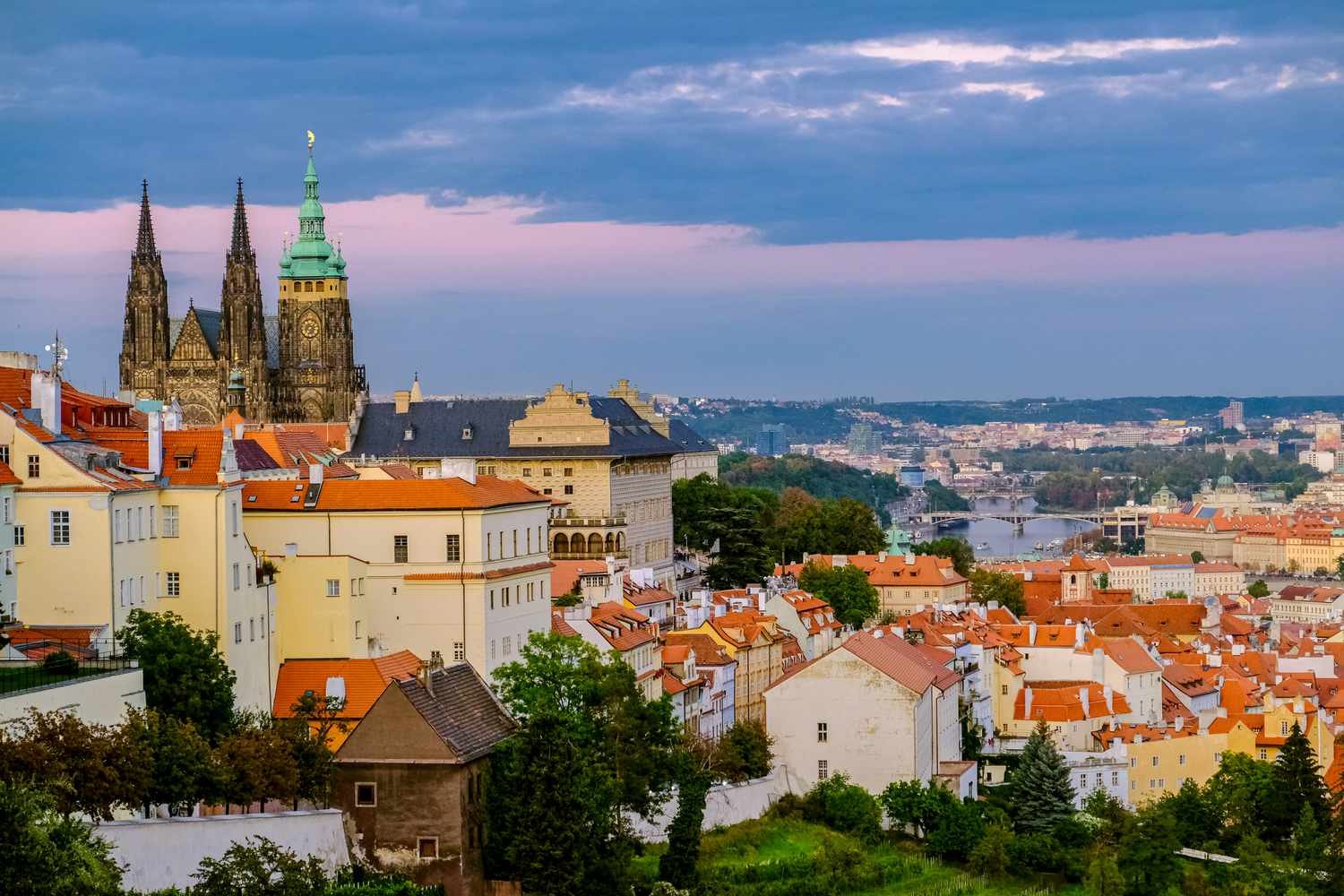
6. Prague, Czech Republic
Prague offers a classic European winter experience. Temperatures usually range between -2°C and 5°C (28°F to 41°F), with occasional snowfall.
While not as extreme as northern cities, Prague’s winter charm lies in its historic streets, festive decorations, and cozy cafes.
7. Vienna, Austria
Vienna experiences cold winters with temperatures between -1°C and 4°C (30°F to 39°F). Snowfall varies from year to year but adds a magical touch when it occurs.
The city is famous for its Christmas markets, which make winter one of the most attractive times to visit.
8. Berlin, Germany
Berlin’s winters are cold but manageable, with temperatures ranging from -2°C to 4°C (28°F to 39°F). Snowfall is possible but not always consistent.
The city often experiences gray skies and cold winds, creating a distinctly wintery atmosphere.
9. Tallinn, Estonia
Tallinn is one of Europe’s coldest hidden gems. Temperatures often drop between -5°C and -15°C (23°F to 5°F), and the city is frequently covered in snow.
Its medieval architecture looks particularly striking in winter, making it a unique destination.
10. Riga, Latvia
Riga experiences cold winters similar to Tallinn, with temperatures ranging from -4°C to -12°C (25°F to 10°F).
Snow and ice are common, and the city offers a quiet, picturesque winter environment.
Why Visit Cold Cities in Winter?
Despite the freezing temperatures, these cities offer experiences that warmer destinations cannot provide:
- Snow-covered landscapes
- Winter sports and activities
- Festive markets and seasonal events
- Cozy indoor culture (cafes, saunas, museums)
For many travelers, the cold is not a drawback—it’s part of the charm.
Tips for Traveling in Cold Weather
If you plan to visit these cities, preparation is essential:
- Wear layered clothing
- Use insulated shoes and gloves
- Check weather forecasts regularly
- Limit long outdoor exposure during extreme cold
Adapting to the conditions ensures a safer and more enjoyable experience.
Conclusion
Europe’s coldest cities offer a completely different perspective on travel. While temperatures can be challenging, the beauty, atmosphere, and unique activities make winter an unforgettable season.
Whether it’s the snowy streets of Helsinki or the icy elegance of Moscow, these destinations prove that cold weather can be just as inviting as sunshine—if not more.