nermeenabdelkader95@gmail.com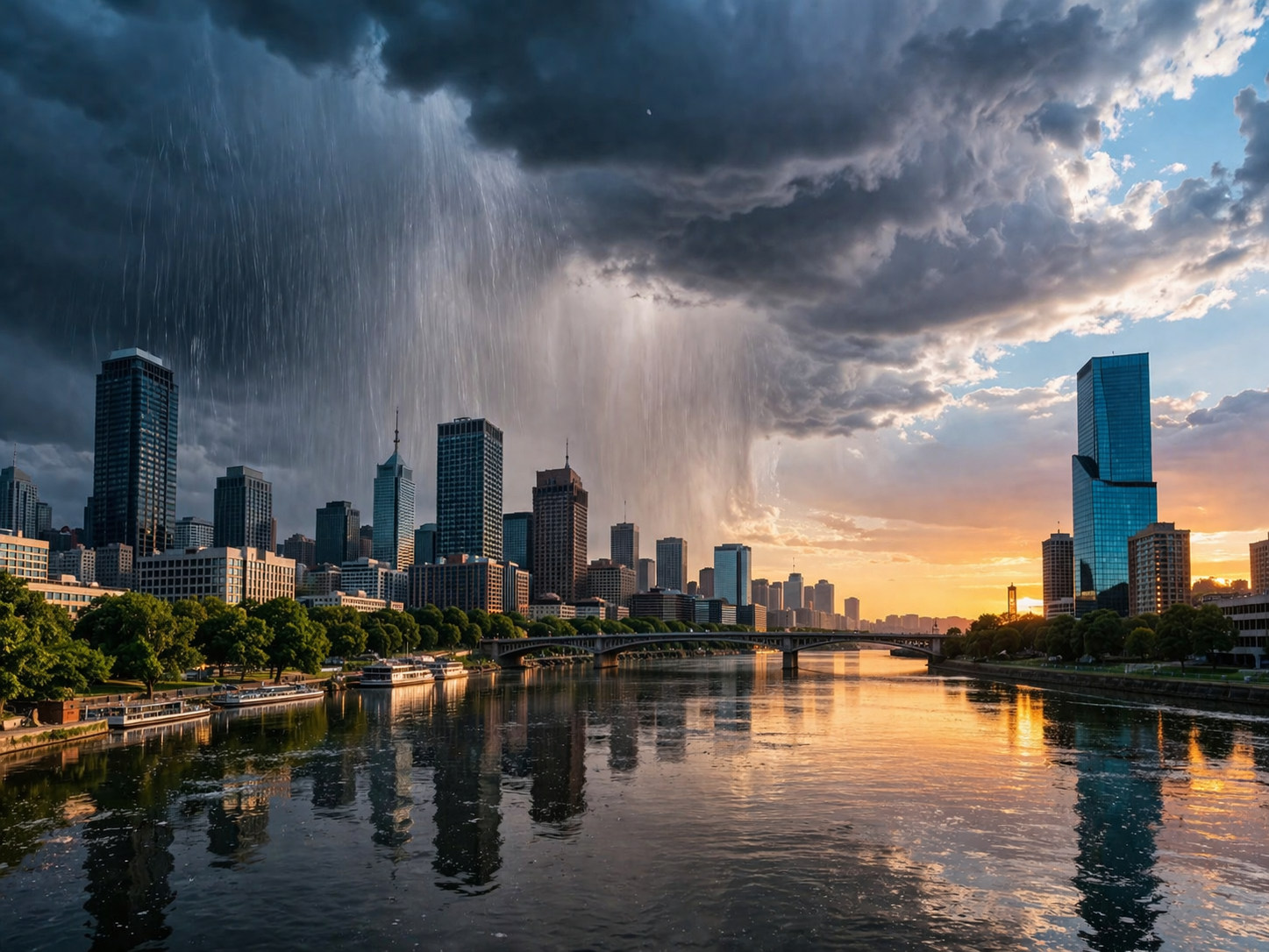
Weather in cities plays a crucial role in daily life, affecting everything from commuting to outdoor activities. Each city has its own unique climate patterns influenced by geography, altitude, proximity to water, and human activity. Understanding these patterns helps residents plan their days and stay safe during extreme weather events.
How City Weather is Measured
Meteorologists use a combination of tools to track weather in urban areas. Thermometers, barometers, and anemometers measure temperature, air pressure, and wind speed. Satellites and radar systems provide a larger picture, tracking storms and precipitation across regions. Local weather stations also collect real-time data, which is essential for forecasting city-specific conditions.
Common Urban Weather Phenomena
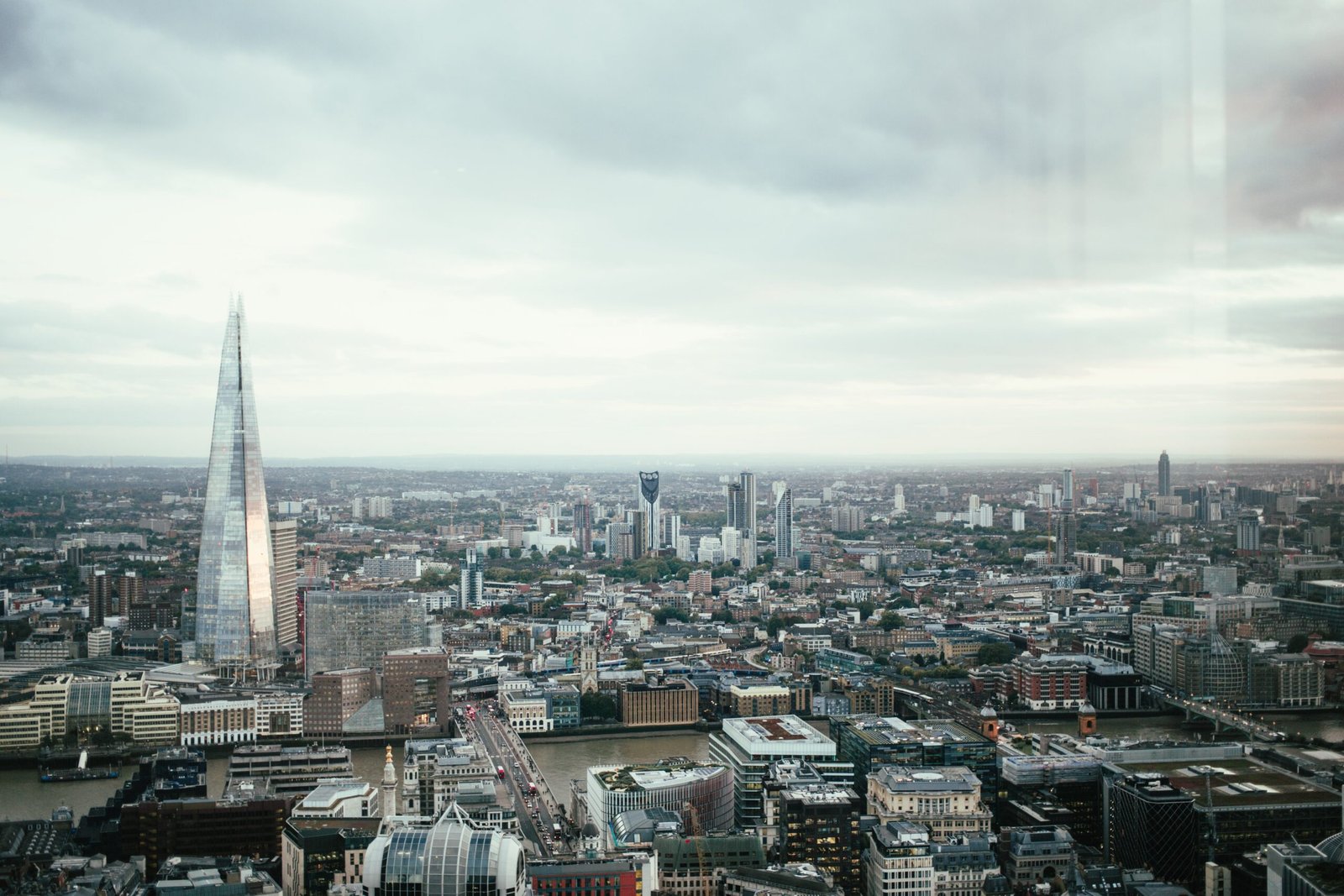
Cities often experience unique weather effects due to their dense infrastructure. The “urban heat island” effect occurs when concrete, asphalt, and buildings absorb and retain heat, making city centers warmer than surrounding rural areas. This can lead to higher energy consumption as people use air conditioning more frequently. Additionally, tall buildings can create wind tunnels, affecting local wind patterns.
Seasonal Changes in City Weather
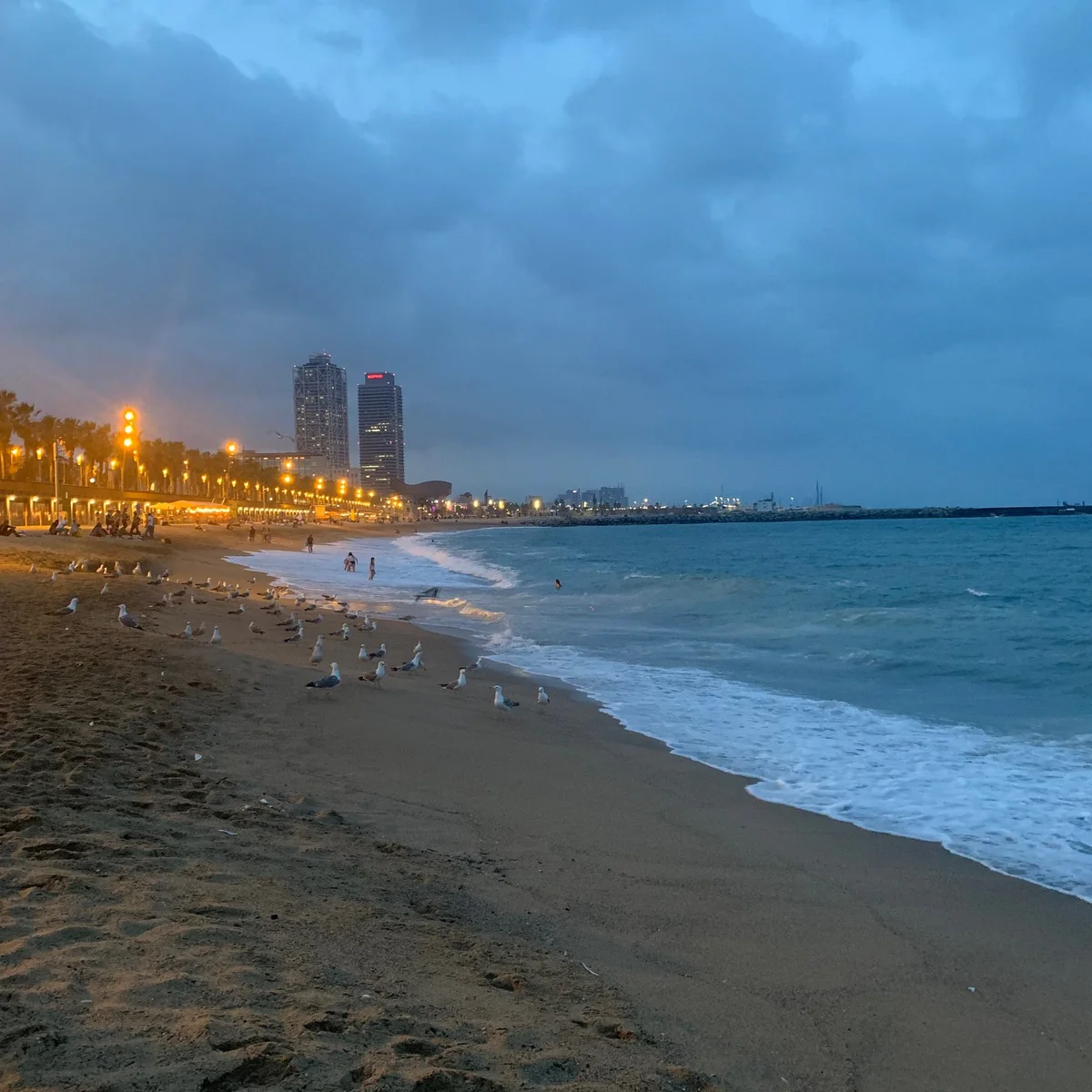
Different cities experience seasonal variations differently. For example, coastal cities may have mild winters and hot, humid summers, while inland cities can have more extreme temperature shifts. Understanding seasonal trends allows city planners to manage resources effectively, such as water supply during dry months or snow removal in winter.
Tips for Residents
- Check Local Forecasts Daily – Weather can change rapidly, especially in cities with variable climates.
- Be Prepared for Extremes – Keep essentials ready for storms, heatwaves, or sudden cold snaps.
- Adapt Your Commute – Rain, snow, or heat can affect public transport and traffic; plan accordingly.
- Protect Your Health – Air pollution often worsens in cities during heatwaves or stagnant air periods; limit outdoor activities when needed.
Conclusion
City weather is more than just daily temperature and rain. It encompasses a complex interplay of natural and human-made factors that shape how we live, work, and travel. Staying informed about local weather patterns not only ensures safety but also improves quality of life for city residents.