 nermeenabdelkader95@gmail.com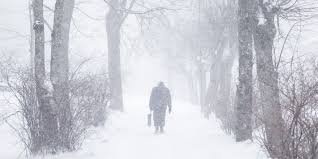
Weather is often treated as a background detail—something to check before leaving the house or planning a short trip. Yet in European cities, weather is not just a daily concern; it is a defining force that shapes architecture, culture, lifestyle, and even the rhythm of entire societies. From the misty mornings of London to the sun-drenched streets of Madrid, each city carries a distinct climate identity that influences how people live, move, and interact.
Understanding weather in Europe requires more than a simple look at temperatures. It involves recognizing patterns, seasonal shifts, and the subtle ways climate interacts with geography. Europe’s diversity in weather is largely due to its varied landscapes and proximity to bodies of water such as the Atlantic Ocean, the Mediterranean Sea, and the Baltic Sea. These natural elements create a range of climates—from oceanic to continental to Mediterranean—each with its own characteristics.
The Role of Geography in European Weather
Geography plays a central role in determining weather conditions across Europe. Western cities like London and Paris are heavily influenced by the Atlantic Ocean, which moderates temperatures and brings frequent rainfall. This results in relatively mild winters and cool summers, but also a high level of cloud cover throughout the year.
In contrast, Central and Eastern European cities such as Berlin or Vienna experience a more continental climate. This means greater temperature extremes—colder winters and warmer summers. The absence of strong oceanic influence allows temperatures to fluctuate more dramatically between seasons.
Southern European cities, including Madrid and Rome, are shaped by the Mediterranean climate. These areas are known for their hot, dry summers and mild, wetter winters. Sunshine dominates much of the year, creating a lifestyle that is closely tied to outdoor living.
Winter: A Season of Contrast
Winter in Europe varies significantly depending on location. In northern and central regions, winter can be cold, with temperatures often dropping below freezing. Snowfall is common in cities like Berlin and Vienna, transforming urban landscapes into quiet, reflective spaces.
Meanwhile, in western cities such as London and Paris, winters are milder but often damp. Rain and overcast skies are more common than snow, creating a different kind of winter atmosphere—less dramatic, but equally influential on daily life.
In southern Europe, winter is relatively gentle. Cities like Madrid experience cool temperatures but plenty of sunshine, making winter a comfortable season compared to harsher northern climates.
These differences shape how people experience winter. In colder regions, infrastructure is designed to handle snow and ice, while in milder areas, rain management becomes more important.
Spring: Transition and Renewal
Spring is perhaps the most dynamic season across European cities. It represents a transition from the stillness of winter to the activity of summer. Temperatures begin to rise, daylight hours increase, and cities gradually come back to life.
However, spring weather can be unpredictable. Sudden rain showers, temperature fluctuations, and changing winds are common. This variability requires adaptability—both in daily routines and in clothing choices.
Despite its unpredictability, spring is widely appreciated for its beauty. Parks and green spaces flourish, and outdoor activities become more frequent. In many cities, this season marks the beginning of tourism peaks.
Summer: Diversity in Experience
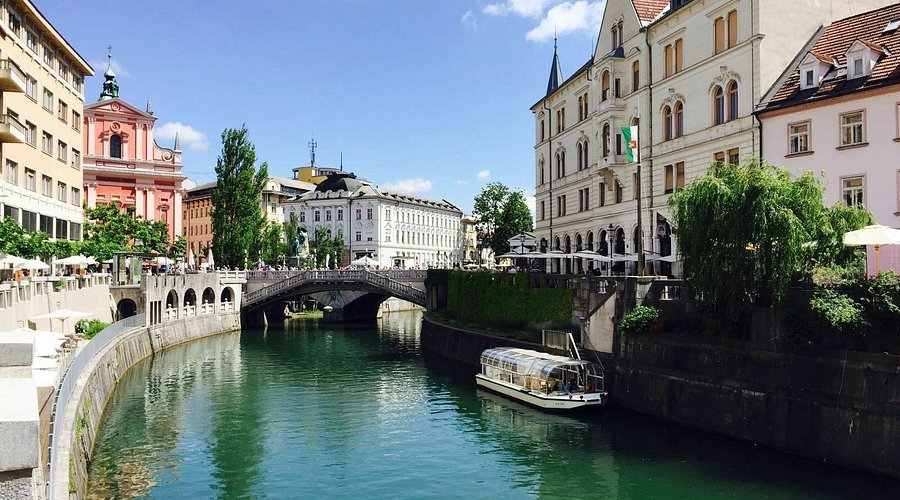
Summer in Europe is far from uniform. In southern cities, it can be intensely hot and dry, with temperatures often exceeding 35°C (95°F). Life in these areas shifts accordingly—people avoid midday heat and become more active in the evenings.
In contrast, northern and western cities enjoy milder summers. Temperatures are generally comfortable, rarely reaching extreme highs. This makes cities like London and Paris particularly attractive during this season.
Central Europe sits somewhere in between. Cities like Berlin can experience warm, pleasant days, but also occasional heatwaves and summer storms.
Summer is also the season where the social impact of weather becomes most visible. Outdoor dining, festivals, and public events dominate city life, highlighting how climate directly influences social behavior.
Autumn: Balance and Change
Autumn brings a gradual cooling of temperatures and a shift in atmosphere. It is often considered one of the most comfortable seasons in many European cities, as the intense heat of summer fades and the cold of winter has not yet arrived.
The visual transformation during autumn is particularly striking. Trees change color, and cities take on a warmer, more reflective tone. Weather conditions become more stable compared to spring, although rainfall begins to increase in some regions.
For many, autumn represents a balance—a period where weather conditions are neither too extreme nor too unpredictable.
Weather and Daily Life
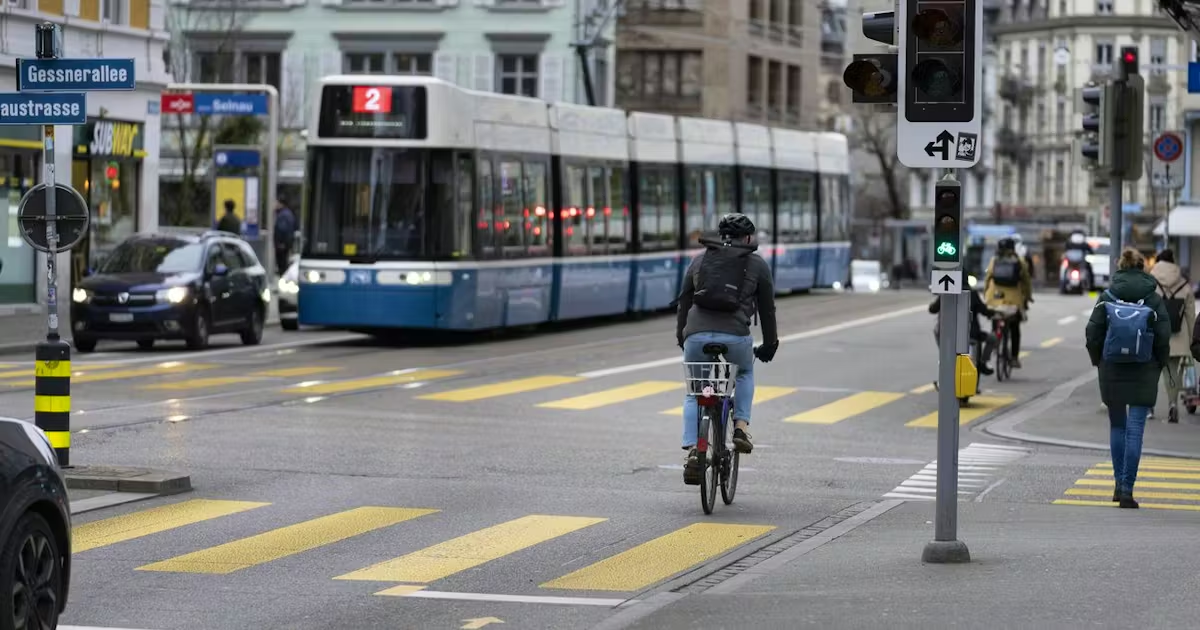
Beyond seasonal descriptions, weather in European cities has a profound impact on daily routines. Transportation systems, clothing styles, and even working hours are influenced by climate conditions.
In rainy cities, people are accustomed to carrying umbrellas and wearing waterproof clothing. In hotter regions, buildings are designed to stay cool, and daily schedules adapt to avoid peak heat hours.
Even social habits are shaped by weather. Outdoor cafes thrive in warmer climates, while indoor gatherings are more common in colder regions.
Conclusion
Weather in European cities is more than a set of numbers—it is a living, shaping force that defines how cities function and how people experience them. Each region offers a unique climate identity, influenced by geography, seasonality, and local culture.
By understanding these patterns, both residents and visitors can better adapt to their surroundings and appreciate the subtle ways in which weather shapes everyday life. Whether it’s the soft rain of London, the golden autumn of Berlin, or the bright sun of Madrid, each city tells its own story through its climate.

 ahmedelghanam2019