nermeenabdelkader95@gmail.com
Traveling to Europe doesn’t always have to be expensive. While many people associate European travel with high costs, the truth is that timing your trip correctly can make a huge difference in how much you spend.
From flights and accommodation to food and attractions, prices in Europe vary significantly depending on the season. Understanding when to travel can help you save money without sacrificing the quality of your experience.
What Affects Travel Costs in Europe?
Before choosing the cheapest time to visit, it’s important to understand what drives prices up or down.
The main factors include:
- Tourist demand (peak vs off-season)
- Weather conditions
- Local events and holidays
- School vacation periods
When demand is high, prices rise. When demand drops, opportunities for savings increase.
The Cheapest Season: Winter (January to March)
The most affordable time to visit Europe is generally during late winter, especially between January and March.
After the holiday season ends, tourist numbers drop significantly. Airlines and hotels often lower their prices to attract travelers during this quieter period.
In many cities, you can find:
- Lower hotel rates
- Cheaper flights
- Less crowded attractions
However, this comes with colder weather, especially in Central and Northern Europe.
Shoulder Seasons: The Smart Choice
If you want a balance between good weather and lower prices, the shoulder seasons are ideal.
These include:
- Spring (March to May)
- Autumn (September to November)
During these periods:
- Prices are lower than summer
- Weather is still pleasant
- Tourist crowds are moderate
This makes shoulder seasons one of the best options for budget-conscious travelers who still want a comfortable experience.
Most Expensive Time: Summer (June to August)
Summer is the peak travel season in Europe, and it’s also the most expensive.
Prices increase due to:
- High tourist demand
- School holidays
- Festivals and events
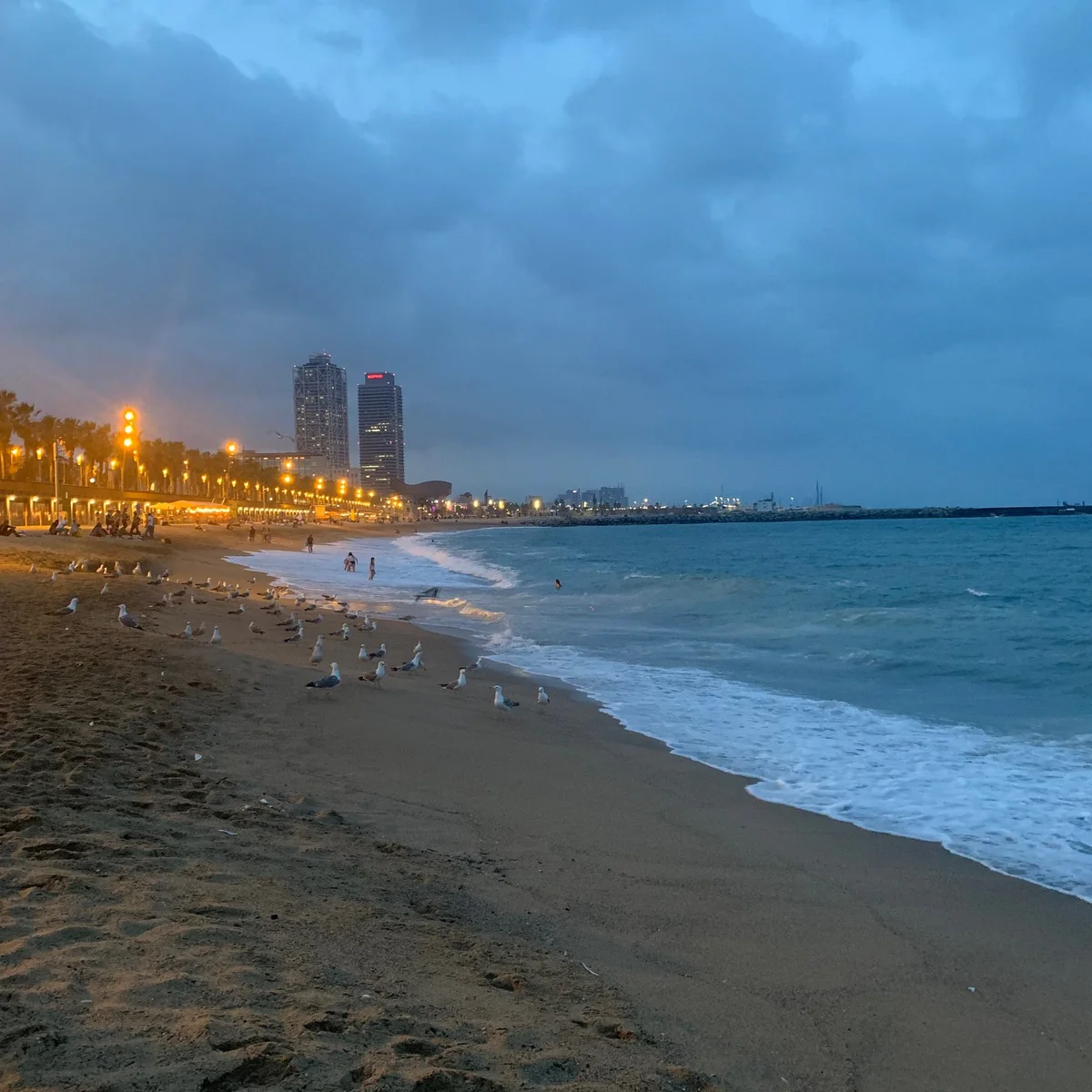
Flights and accommodations are at their highest, especially in popular destinations like Paris, Rome, and Barcelona.
While summer offers great weather, it may not be the best choice for budget travelers.
December: Mixed Pricing
December is a unique case.
Early December can still be affordable, but prices rise significantly closer to Christmas and New Year due to holiday travel and festive events.
Cities with famous Christmas markets—like Vienna and Prague—often become more expensive during this time.
Cheapest Cities vs Expensive Cities
Not all European cities have the same price levels.
More affordable cities:
- Budapest
- Prague
- Lisbon
More expensive cities:
- Paris
- London
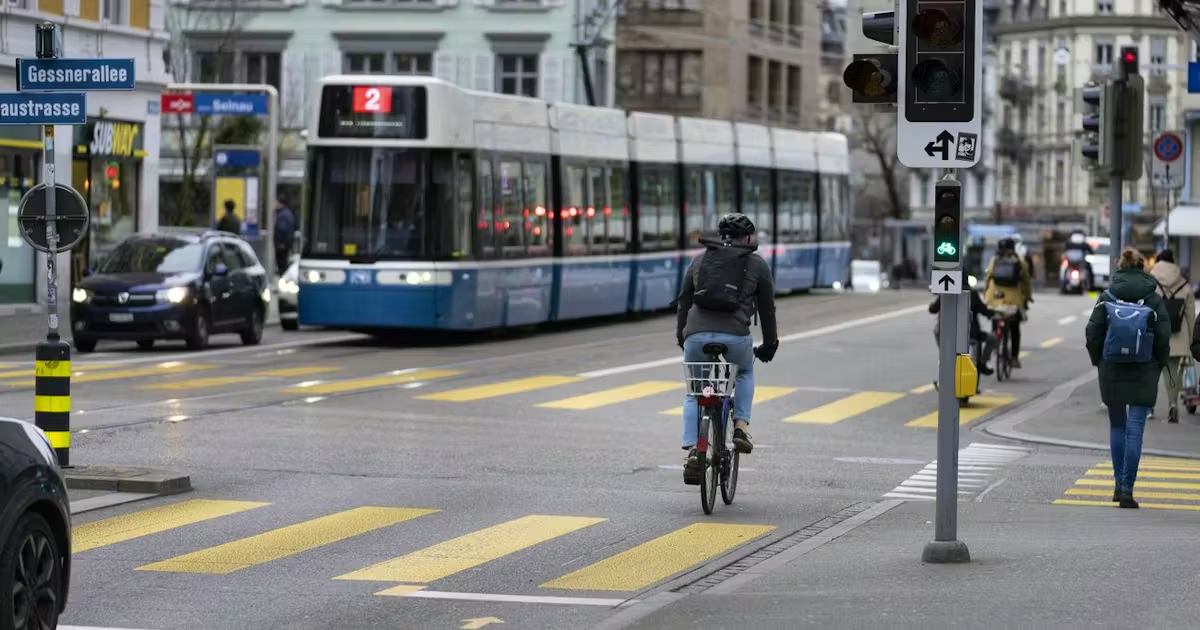
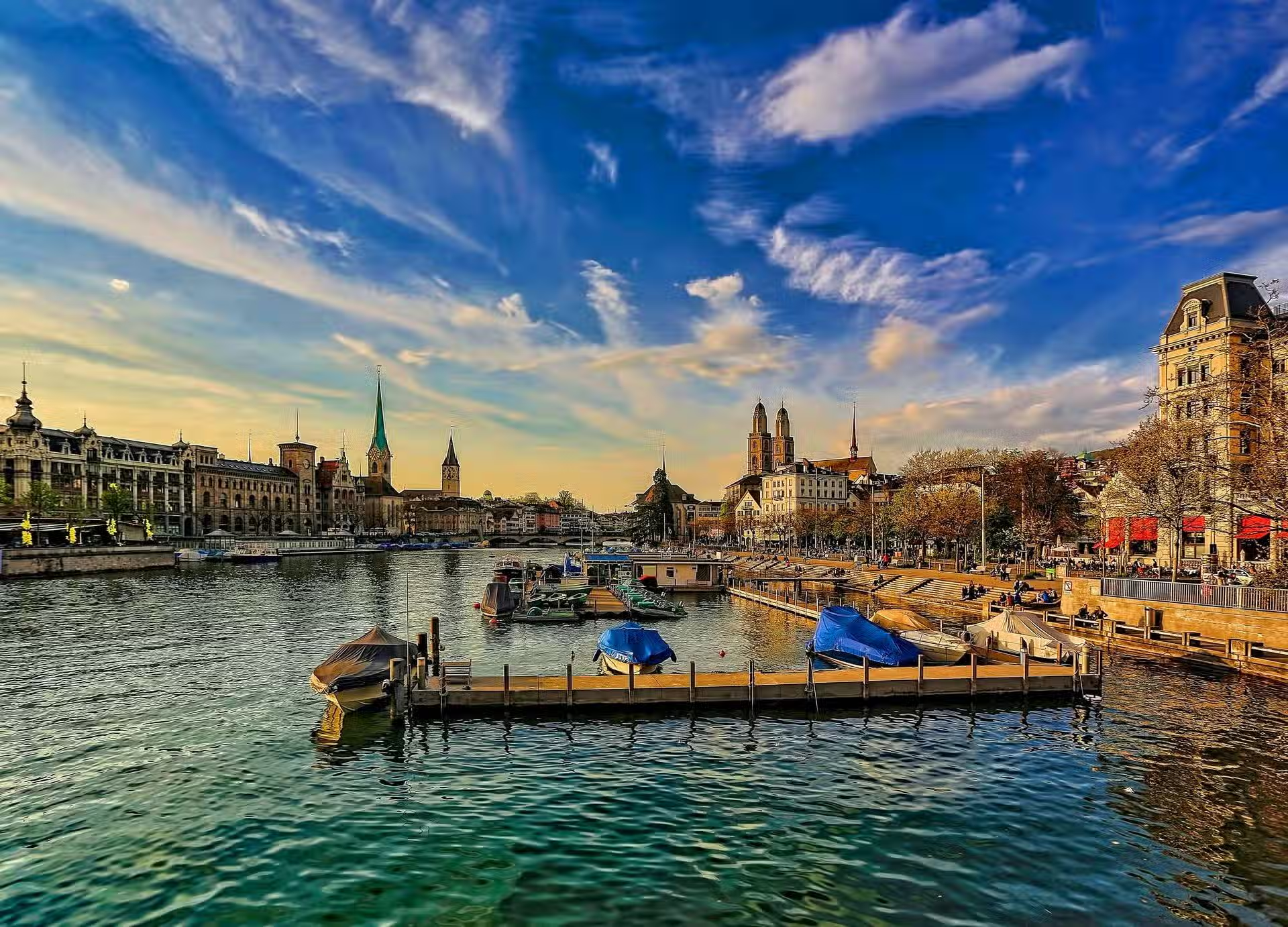
- Zurich
Choosing the right destination can reduce costs even during busier seasons.
Tips to Save Money While Traveling in Europe
Even during expensive periods, you can still reduce costs with smart planning:
- Book flights early
- Travel mid-week instead of weekends
- Stay outside city centers
- Use public transportation
- Avoid peak tourist attractions during busy hours
Small decisions can lead to significant savings.
How Weather Impacts Prices
Weather and pricing are closely connected.
- Warm, sunny weather → higher demand → higher prices
- Cold or rainy weather → lower demand → lower prices
This is why winter is cheaper and summer is more expensive.
Is Cheap Travel Worth It?
Traveling during cheaper periods comes with trade-offs:
Pros:
- Lower costs
- Fewer crowds
- More relaxed experience
Cons:
- Colder weather
- Shorter daylight hours
- Limited outdoor activities
The key is deciding what matters more—budget or ideal weather.
Conclusion
The cheapest time to visit Europe is typically during the off-season, especially in late winter. However, the best value often comes during spring and autumn, when you can enjoy both reasonable prices and pleasant weather.
By understanding how timing affects travel costs, you can plan a trip that fits your budget without compromising the overall experience.
In the end, smart timing is one of the most powerful tools for affordable travel in Europe.